
By: Sophie Cox, 2025-2026 SPARCnet RaMP Mentee
Who do you picture when you picture a scientist?
A chemist in a lab coat? Maybe an engineer or a microbiologist? How about Manuel Genaro Peñafiel, a 101-year-old Ecuadorian farmer who has been collecting snakes for seven decades? Or Anna Maria Sybilla Merian, a 17th-century Dutch naturalist who kept detailed records of insect metamorphosis and turned them into published books? What about the Pacific Islanders who have for thousands of years navigated hundreds of miles across open ocean using wayfinding systems passed down through generations? Or practitioners of traditional Chinese medicine that Western science is only now, millennia later, beginning to understand? Or the millions of volunteers who submit meticulous records of birds, rainfall, stars, rare trees, pollinators, or biodiversity to citizen science projects across the world?
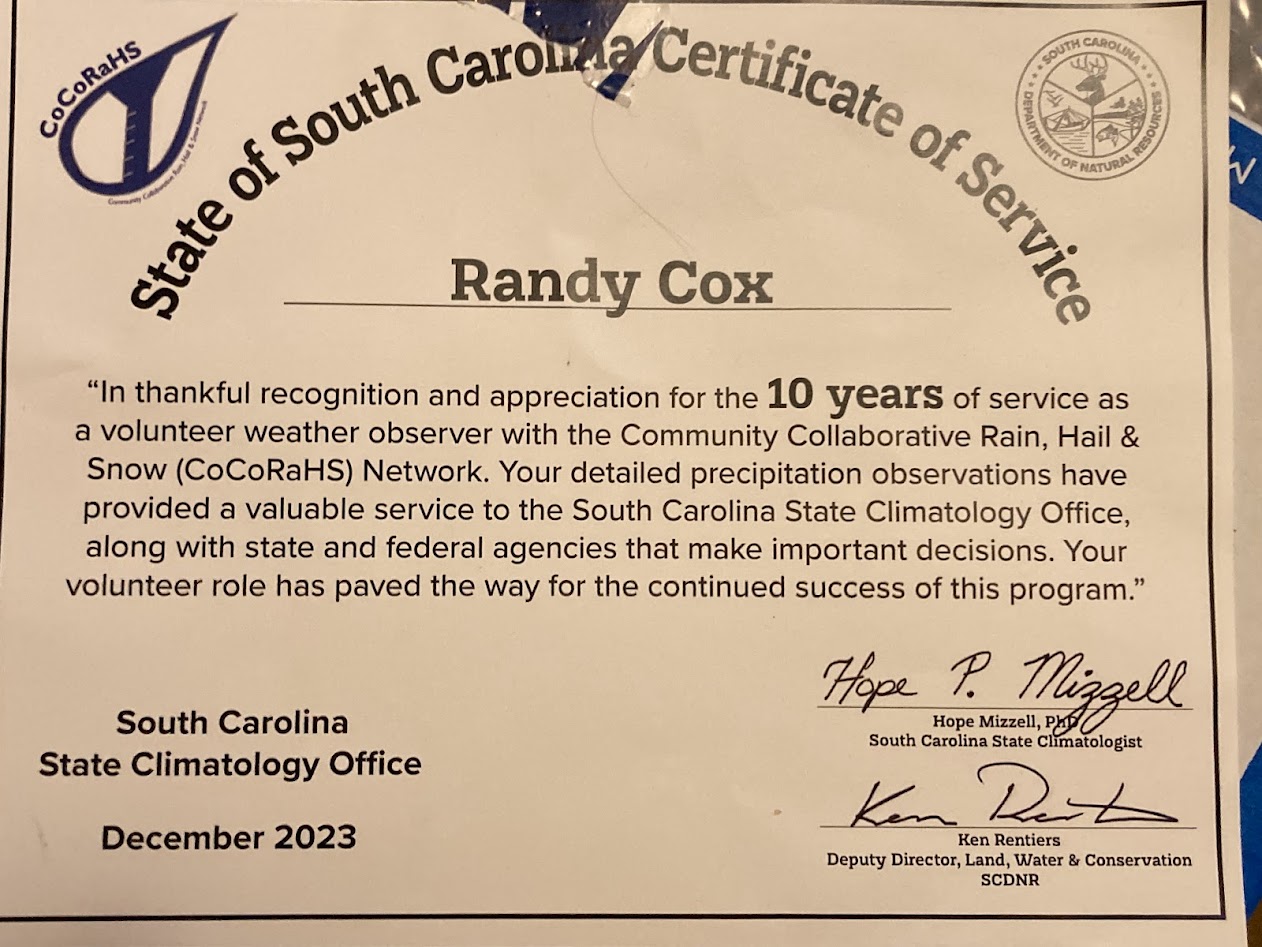
One such volunteer is my dad, who starts each morning by checking his rain gauge and submitting precipitation data to the Community Collaborative Rain, Hail & Snow Network (CoCoRaHS). He has done this for over 12 years. CoCoRaHS urges its thousands of volunteers to submit data not only when it rains but also when it doesn’t. That’s because absence data is enormously valuable to science, something I spend a lot of time thinking about while working with data from iNaturalist, another citizen science project, to study salamanders. While iNaturalist data is presence-only, CoCoRaHS includes absence data. They even have a slogan to remind volunteers of its importance: “Be a hero; report your zero!” My dad follows this dictum diligently. If he is out of town and cannot submit daily reports to CoCoRaHS, he submits a multi-day report of cumulative precipitation upon his return. In the 12 years, 10 months, and 14 days that his personal weather station has been active, he has submitted 4,325 daily reports, 75 multi-day reports, 13 Significant Weather reports, and 4,413 total observations. In all that time, he has missed only 1% of days.
Citizen science encompasses any public contribution to the scientific process. While citizen science, also referred to as community science or participatory science, is a relatively new term, what it describes is as old as science itself. Throughout scientific history, much of our knowledge of the world has been collected, recorded, analyzed, interpreted, and disseminated by people not employed as scientists, people who in today’s world are called citizen scientists.
The distinction between “professional science” and “citizen science” is only a recent invention, and not always a helpful one. Citizen science is not “science by non-scientists.” It is not merely an outreach tool or a quaint collection of specimens, field notes, photographs, and species lists gathered by eccentric people (though I can attest that many citizen scientists are indeed eccentric). It is not a suboptimal data source riddled with biases with which “real” scientists must learn to contend in order to extract anything useful. It is the very essence of what science at its best can be.
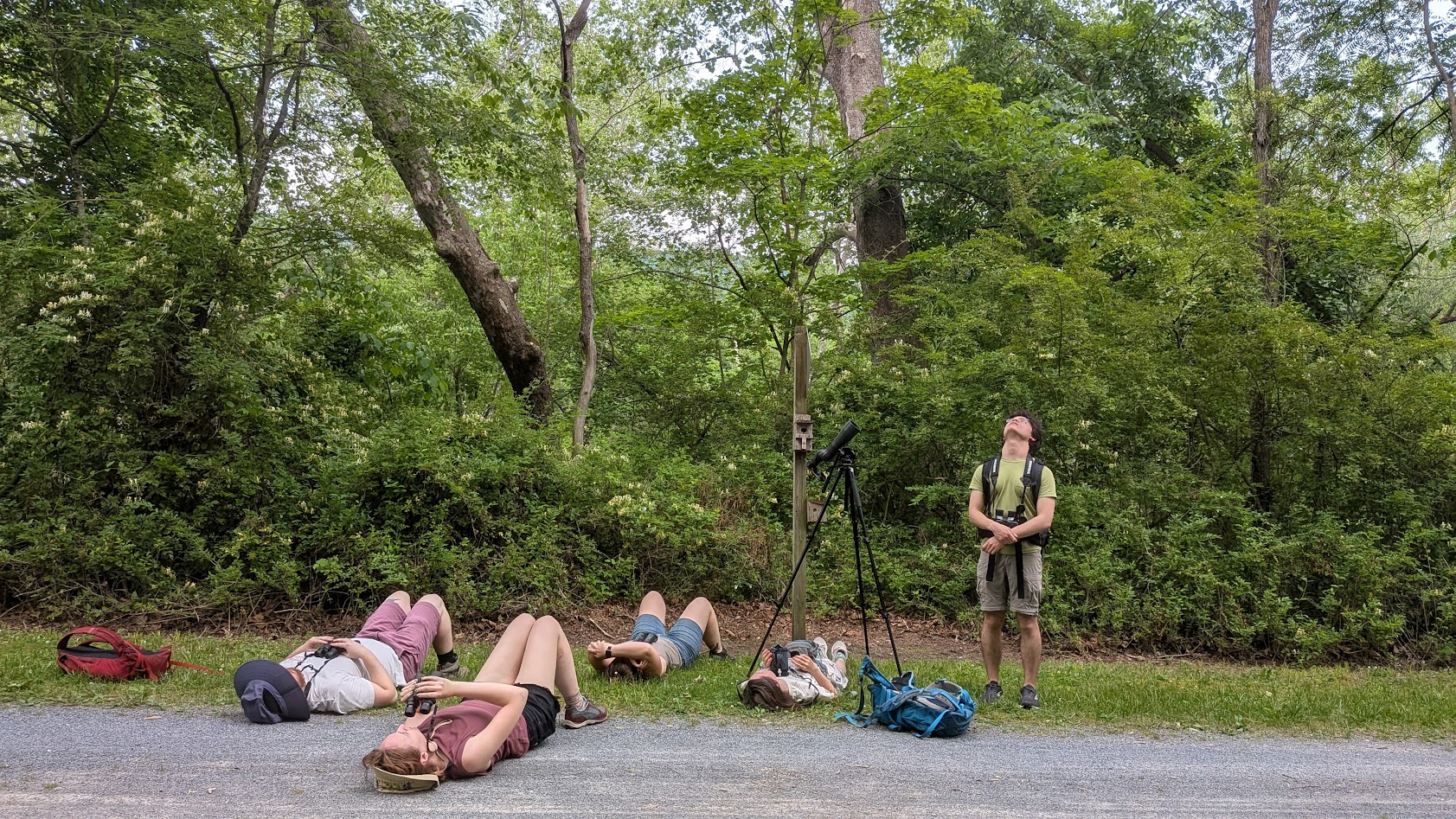
Citizen science is an amalgamation of irreplaceable data in staggering quantities, a tapestry of millions of records spanning continents and centuries, meticulously and lovingly and painstakingly collected by a long progression of naturalists, photographers, birders, scholars, and volunteers, all representing and contributing to a venerable scientific legacy. Citizen scientists can be young or old, relative amateurs or world-renowned experts. Many of them possess unique knowledge of their study systems. All of them are scientists.
Citizen science is a topic of intense fascination and personal interest to me. Long before I was in any official capacity a scientist, before I was even a student, I was, first and foremost, a naturalist and citizen scientist. I grew up surrounded by communities of birders, entomologists, and other naturalists who so readily shared their expertise, expertise gained less from classrooms and laboratories and more from decades of intimate, firsthand experience with the species, landscapes, and seasonal rhythms of southern Appalachia year after year after year. My own involvement in the study of ecology began not with my first formal research experiences in college but long before, as a child with an early, persistent, and sometimes all-consuming fascination with the natural world.
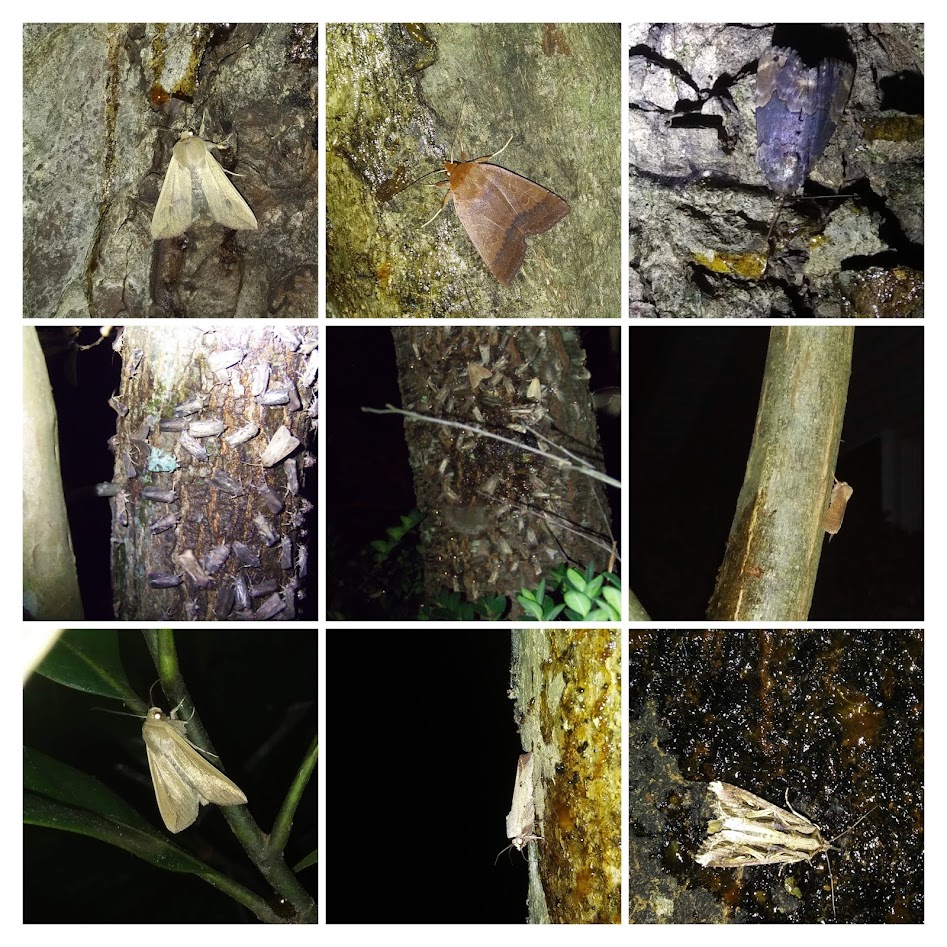
In preschool, I collected ladybugs in a locket I wore around my neck. (Years later, I used the same locket while working as a nature instructor at a summer camp.) At age 10, I became an avid birder. (In the years since, I have filled 13 journals with detailed bird observations.) I also spent a lot of time mixing rotting fruit, sugar, and alcohol and painting that very stinky goop on tree trunks. It attracts moths. In middle school, I started recording the ingredients, moon phase, time of year, and weather conditions during each moth-baiting experiment. (Nine years and many journal entries later, I still do not know why one singularly spectacular night brought hundreds of moths to my bait while some nights brought zero, but I have not given up understanding what drives moth behavior: I continue to use the same notebook to record my ongoing moth baiting experiments, and this fall I will be starting a PhD on moth ecology at the University of South Carolina, in a lab that is using moth bait and lights to replicate a years-long moth survey conducted by a citizen scientist several decades before.)
This year, for the first time, I have been on the other side of citizen science, analyzing the data rather than collecting it. I have spent the past year in a herpetology lab at Penn State through the SPARCnet RaMP postbaccalaureate research fellowship program. I work with data from iNaturalist, a global biodiversity platform millions of observations strong, to study the seasonal activity patterns of the eastern red-backed salamander, which stays underground during harsh conditions and emerges to the surface when environmental conditions match its needs. My project, in collaboration with my mentors David Miller and Carli Dinsmore, focuses on these cycles of dormancy and activity in relation to climate conditions.
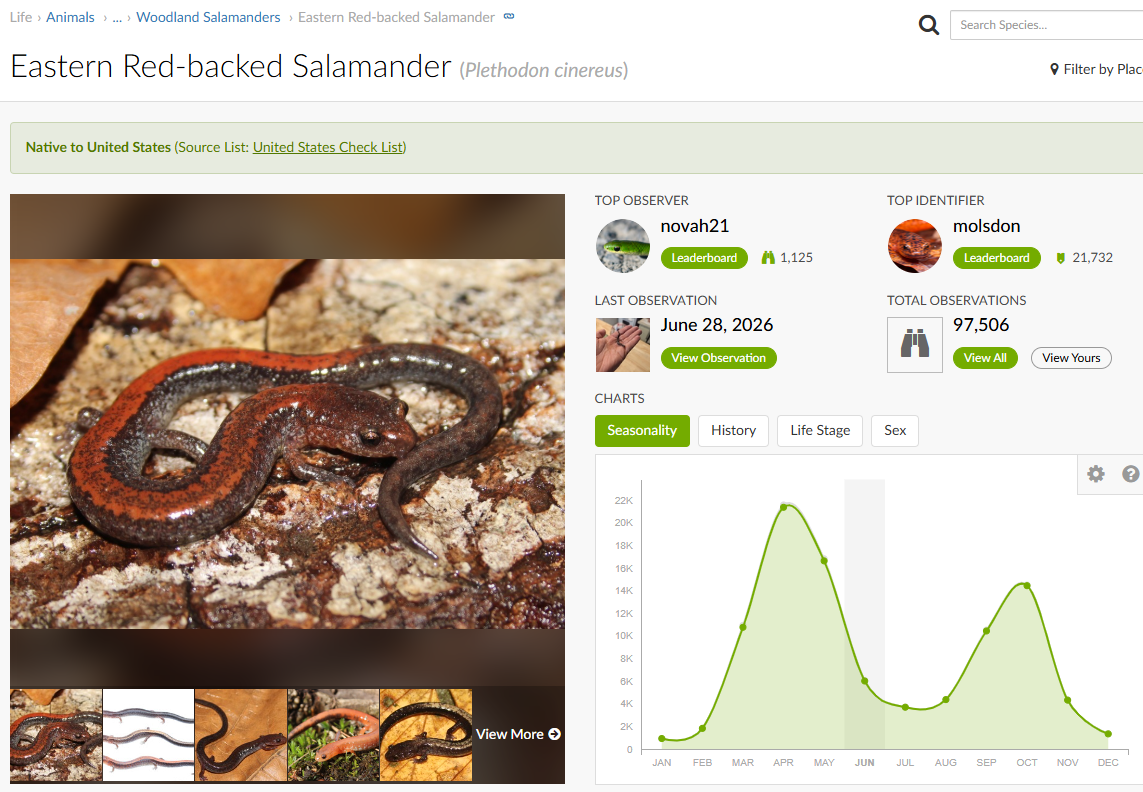
To answer the research questions we were interested in, we needed data from across the red-backed salamander’s range, from North Carolina to Canada. Aggregating data across space and time is perhaps one of the things citizen science does best. By linking tens of thousands of red-backed salamander iNaturalist observations to both short-term weather and long-term climate conditions at the same locations, we have found that peak salamander activity occurs at different temperatures in different parts of their range, which may suggest adaptation to local climate conditions over time. We are also looking at effects of human disturbance, and so far it looks like salamanders living in less disturbed habitats can remain active at a wider range of temperatures. Using iNaturalist gives us access to vast amounts of data, making it possible to compare effects of several variables over the entirety of the red-backed salamander’s range.
For all its advantages, iNaturalist data also presents certain challenges that I needed to understand in order to analyze it effectively. For instance, unlike CoCoRaHS precipitation data, iNaturalist data is presence-only. It can tell us where a species is but not where it isn’t. No one is reporting the zeroes. (Shout-out to my mom, however, who diligently tags her many iNaturalist observations with relevant annotations like “Captive” or “Dead.”) For me, one of the most rewarding parts of this year has been learning how to work with citizen science data at large scales. I know firsthand that behind every data point is a citizen scientist with a story, or possibly several hundred stories, about what led them to spend their time contributing their observations to something so much larger.
To every naturalist, scientist, birder, museum curator, park ranger, teacher, camp director, mentor, family member, and friend who has not just tolerated but encouraged and embraced my interests, however unusual, you are the reason I never stopped wanting to be a scientist. Particular gratitude to my parents, who allowed me to keep live mealworms in the fridge to feed birds and bloodworms in the freezer to feed tadpoles, who never stopped me from constructing elaborate lizard habitats on the front lawn or using wine and beer to make endless batches of moth bait, who let me discover for myself that centipedes bite instead of telling me not to play with bugs, who once took care of my mealworm colony for months while I was at college, who have listened to thousands of stories about birds and salamanders and insects and lichens and turtles and so much more without ever once telling me to please go do something normal, who now go birding even when I am not home, and who are themselves contributors to citizen science projects including the Community Collaborative Rain, Hail & Snow Network, iNaturalist, eBird, Joro Watch, the Monarch Watch Tagging Program, and the Great Southeast Pollinator Census.
To those of you who are not yet involved in the vast and wonderful world of citizen science, consider getting involved, not just for science at large but for yourself. Whether you are submitting photos to iNaturalist, recording years of daily precipitation data, contributing to any of the hundreds of other established citizen science projects, or simply keeping a journal of your own observations of the natural world, citizen science—indeed, science in any form—can be a source of endless curiosity, a way to see your own corner of the world through new eyes a thousand times over, and a gateway to camaraderie, fascination, and infinite joy.
And to the 13,743 observers and 10,725 identifiers who contributed 61,983 research-grade eastern red-backed salamander iNaturalist records to my research project, thank you all.